


Education
A Guide to Education Rights and Supports in Indiana
Every student deserves the opportunity to learn, grow, build relationships, and prepare for the future. For students with disabilities, that may mean additional support, specialized instruction, and accomodations to help them learn and participate at school.
Indiana schools are required to follow federal and state laws that protect the educational rights of students with disabilities. Understanding these rights can help families and educators work together to create learning environments where students can succeed.
There are three important things to know:
- Students with disabilities have educational rights.
- Federal and Indiana laws protect students with disabilities from discrimination and establish requirements for providing a “free and appropriate” public education.
- Support should reflect each student’s individual needs.
- Students may need different types of educational support for different reasons. Some qualify for specialized instruction and accomodations through an IEP, while others qualify for accommodations or services through a 504 Plan. Students who do not qualify for either may still benefit from classroom supports and other school resources.
- Families, students, and schools all have important roles.
- Parents and students bring valuable knowledge about their experiences, strengths, and goals. Educators bring professional expertise and knowledge of available supports. Working together helps create a more complete picture of what a student needs.
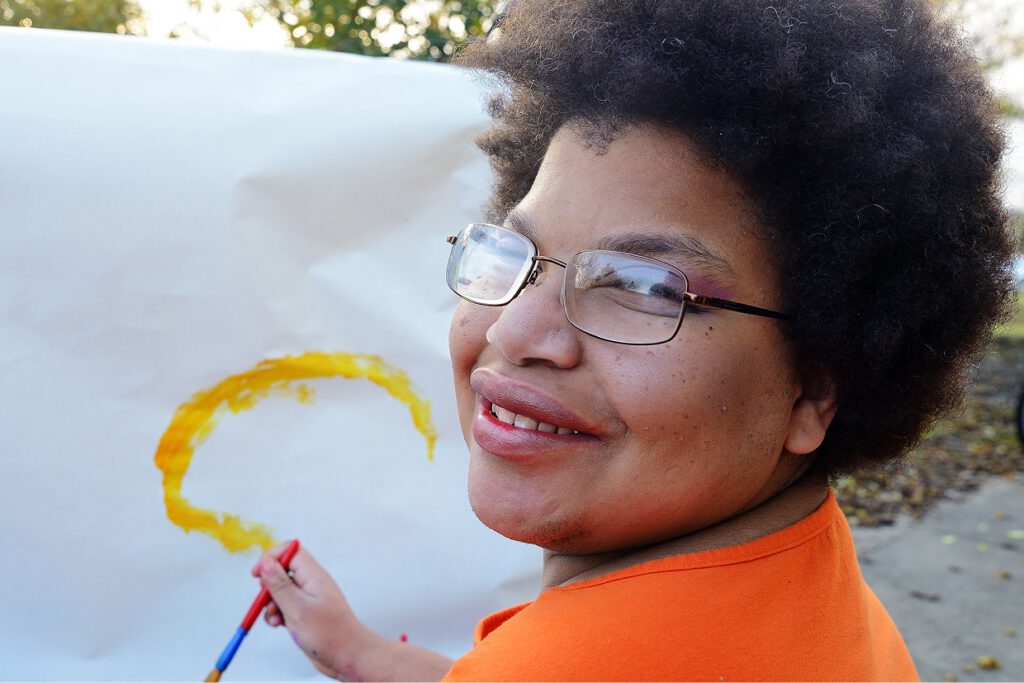
Understanding Education Supports and Services
Different students need different kinds of support.
From early childhood through high school, students with disabilities may qualify for services, accommodations, and other supports that help them participate in school.
Explore the options below to learn how they work and what they may mean for you or your student.
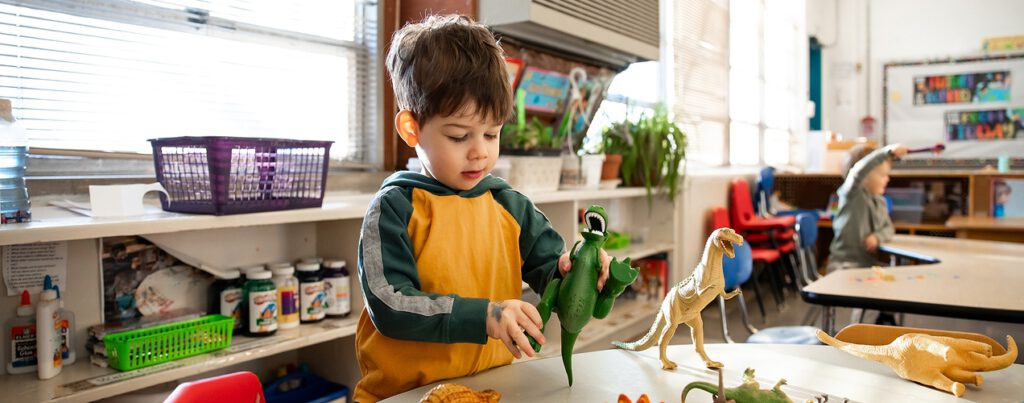
Special Education
Special education is instruction designed to meet the individual learning needs of eligible students with disabilities.
The federal Individuals with Disabilities Education Act (IDEA) and Indiana’s special education rules, known as Article 7, establish requirements for these services.
Under IDEA, eligible students have the right to a Free Appropriate Public Education (FAPE). This means schools must provide the special education and related services required to meet a student’s individual educational needs, at no cost to the family.
Special education may include:
- Instruction adapted to a student’s specific learning needs.
- Individualized educational goals and services.
- Additional support in general education classrooms or other appropriate settings.
- Related services that help a student benefit from their education.
A student must be evaluated and determined eligible to receive special education services under IDEA.
Individualized Education Programs (IEPs)
An Individualized Education Program (IEP) is a written plan for students who qualify for special education under federal and Indiana law.
Students may qualify because of learning disabilities, communication challenges, developmental disabilities, health conditions, or other disabilities that affect their education and require specialized instruction.
In Indiana, IEPs are developed by a Case Conference Committee (CCC), which includes parents, school representatives, and other required members.
An IEP may include:
- The student’s current strengths, needs, and performance.
- Measurable educational goals.
- Special education and related services.
- Classroom accommodations, supports, and modifications.
- How progress will be measured and shared with families.
IEPs are reviewed at least annually and can be updated when a student’s needs change.
Section 504 Plans
A Section 504 Plan helps students who have a physical or mental condition that substantially limits an important part of daily life access education and participate in school activities.
This can include students with ADHD, anxiety, diabetes, chronic health conditions, learning disabilities, or other conditions. A student does not need to qualify for special education or have a formal medical diagnosis to be eligible under Section 504.
A 504 Plan may include:
- Changes to how assignments or tests are completed.
- Classroom or environmental accommodations.
- Assistance with medical or disability-related needs during the school day.
- Other services or adjustments based on the student’s individual needs.
A student may qualify for protection under Section 504 even if they are not eligible for special education under IDEA.
Classroom Accommodations and Assistive Technology
Sometimes changes to how information is presented, how students complete their work, or the tools they use can make learning more accessible.
Examples include:
- Additional time or alternative ways to demonstrate learning.
- Visual schedules, written instructions, or communication supports.
- Assistive technology such as text-to-speech tools or communication devices.
- Accessible classroom materials and learning environments.
- Changes to instructional methods or classroom routines.
The supports provided should reflect the student’s individual needs and applicable educational requirements.
Related Services
Some students need additional services to benefit from their education.
Depending on the student’s needs and eligibility, these may include:
- Speech-language services.
- Occupational or physical therapy.
- Counseling or psychological services.
- Transportation or school health services.
- Other supports necessary for the student’s education
These services may be included in an IEP or provided through other applicable educational arrangements.
Inclusive Education and the Least Restrictive Environment
Students with disabilities have the right to be educated alongside students without disabilities to the maximum extent appropriate to their individual needs.
This is called the Least Restrictive Environment (LRE).
Schools must consider the supports and services that would allow a student to participate in general education before determining that a more separate setting is necessary.
Inclusion can involve more than sharing a classroom. It also means considering access to school activities, relationships, extracurricular opportunities, and the broader school community.
Behavior Supports and School Discipline
Behavior can be a form of communication, and students may need additional support to participate successfully in school.
Depending on a student’s needs, supports may include:
- Positive behavior strategies.
- Functional Behavioral Assessments (FBAs).
- Behavior Intervention Plans (BIPs).
- Support with communication, emotional regulation, or coping skills.
- Changes to classroom practices or environments.
Students with disabilities also have important protections related to school discipline, including certain suspensions, removals, restraint, and seclusion.
Early Childhood and Preschool Special Education
Support can begin before a child enters kindergarten.
Indiana’s First Steps program serves eligible children from birth to age three who have developmental delays or disabilities. Beginning at age three, eligible children may receive special education and related services through the public education system.
Families can work with early intervention providers and school personnel to plan for this transition and understand what services may be available.
How Do I Know if My Child Needs Educational Support?
Sometimes a child’s needs are clear early in life. Other times, concerns become noticeable as schoolwork, social expectations, or daily routines change.
If you think a student may need special education services, there are steps you can take.
You don’t have to wait until a child is struggling to ask questions.
- Start a Conversation
- Talk with your child’s teacher or school staff about what you’re noticing. Share your child’s strengths, challenges, and any concerns you have about their learning or participation.
- Ask About an Evaluation
- Parents can request an educational evaluation to determine whether their child is eligible for special education. Schools also have responsibilities to identify and evaluate students who may need services.
- You can make a request to appropriate school personnel. Putting your request in writing can help you keep a clear record.
- Indiana schools must provide written notice about a requested special education evaluation within 10 school days, including an explanation if the request is denied.
- Review the Results and Discuss Next Steps
- If an evaluation is conducted, the school and family review the findings through the appropriate process. If the student qualifies for special education, the Case Conference Committee develops an IEP.
- If the student is not eligible under IDEA, other supports, including a Section 504 evaluation when appropriate, may still be worth exploring.
Education should help students build the skills to create a life of their choosing.
Education is about more than what happens in the classroom. As students grow, schools and families can help them explore their interests, develop skills, and prepare for opportunities in employment, continued education, independent living, and community life.
Planning for the future should reflect what matters to the student and the life they want to build.

Planning for Life After High School
For students with disabilities, planning for adulthood is an important part of their education.
In Indiana, a Transition IEP must be in effect when a student enters ninth grade or turns 14, whichever comes first. Planning may begin earlier when appropriate.
Transition planning helps students and their families explore goals and supports related to:
- Education or training after high school.
- Employment and career interests.
- Independent living and community participation, when appropriate.
- Skills, services, and connections that may be needed after graduation.
Students should have meaningful opportunities to share what they want for their future and participate in decisions about their transition plans.
What Happens When a Student Turns 18?
At age 18, special education decision-making rights generally transfer from parents to the student. Different arrangements may apply when a legal guardian or educational representative has the appropriate decision-making authority.
Families and schools should discuss these changes in advance so students understand their rights and have appropriate support for making decisions.
When Education Supports Aren’t Working
Even when families and schools share the same goals, disagreements or concerns can arise.
When something isn’t working, consider:
- Review the plan. Look at the student’s IEP or 504 Plan, recent evaluations, progress reports, and any written communications.
- Discuss your concerns. Talk with the teacher, case manager, or appropriate school administrator.
- Request a meeting. Families can request a Case Conference Committee meeting to discuss IEP concerns and possible changes.
- Understand your rights. Indiana provides formal processes for certain special education disputes, including complaints, mediation, and due process hearings.
Find the Answers and Support You Need
Whether you’re looking for more detailed information or want to talk through your specific situation, The Arc of Indiana has resources and people who can help you better understand your options.

Looking for specific answers?
Whether you’re preparing for an IEP meeting, trying to understand a 504 Plan, exploring special education eligibility, or wondering what to do when a service isn’t being provided, our Resource Library can help.
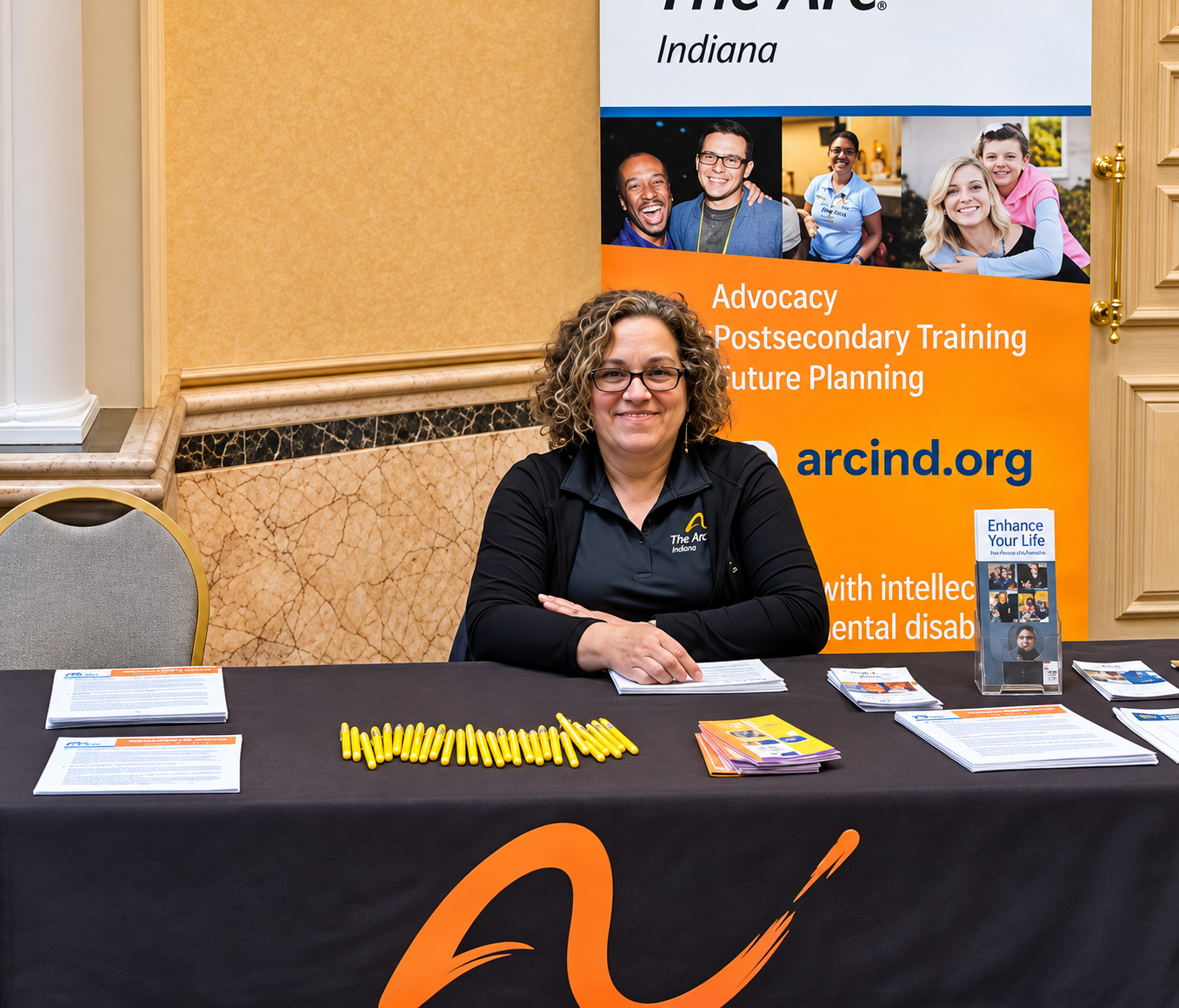
We’re here to help you understand your options.
The Arc of Indiana’s Advocacy Network helps individuals and families better understand education services and rights, and other resources and programs for people with disabilities of all ages. Our team also shares educational resources and participates in community information sessions.
Explore Our Education Playlist
We also have video resources you can explore to learn more. Watch at your own pace to better understand your options and find information to help you plan for the future.